
Airsense Technology Center
Breathalyzer Technology
Understanding the Technology Behind Reliable Breath Alcohol TestingBreath alcohol testing involves more than detecting alcohol in exhaled air. Sensor technology, breath sampling, signal processing, calibration and measurement algorithms all influence the final result.
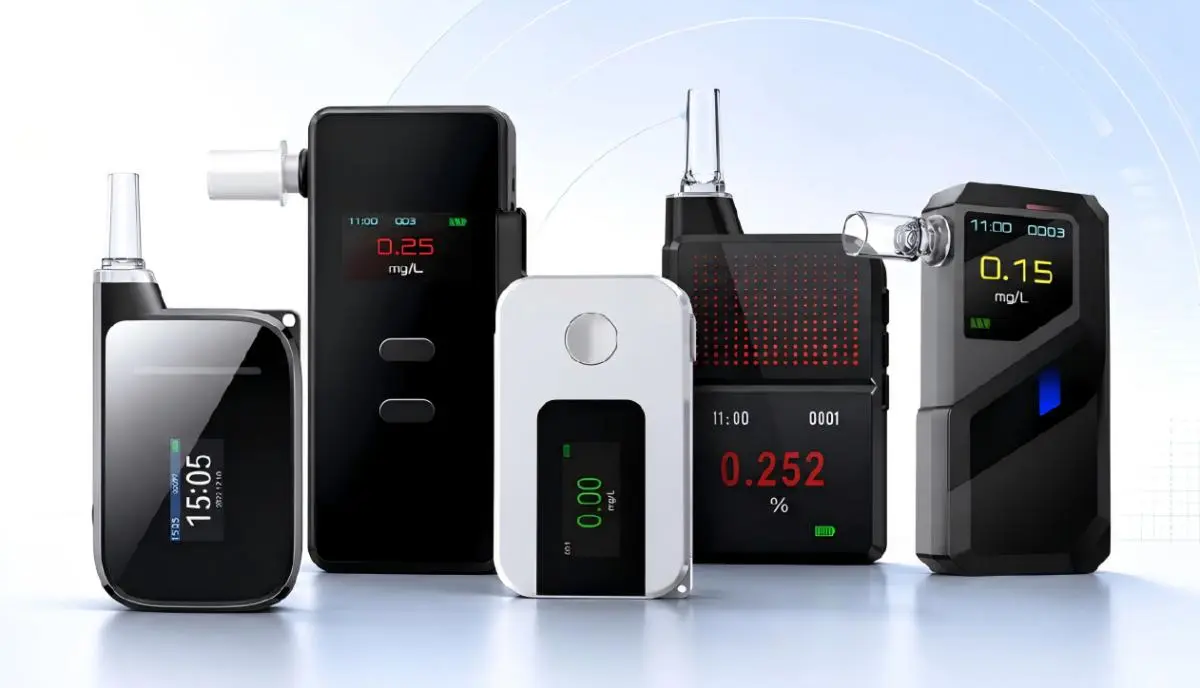
Technology in one view
From Breath Sample to Alcohol Reading
A breathalyzer converts alcohol molecules in exhaled breath into a measurable electrical signal, then processes that signal into an alcohol concentration reading.
01
Air
Breath Sample
A representative sample of exhaled breath enters the measurement system.
02
S
Sensor Response
The alcohol sensor reacts to ethanol and produces an electrical response.
03
Sig
Signal Processing
Electronic circuits capture and process the sensor signal.
04
Air
Calibration & Algorithm
Calibration data and algorithms convert the signal into a meaningful concentration.
05
Bac
Breath Sample
The calculated alcohol concentration is displayed in the selected unit.
Repeatability testing
Explore Breathalyzer Technology
Five focused guides help buyers understand sensor technology, measurement performance and alcohol testing fundamentals.
01
How Breathalyzers Work
Learn how a breath sample is collected, detected by the sensor and converted into an alcohol concentration reading.
02
Fuel Cell vs Semiconductor
Understand the differences between electrochemical fuel cell and semiconductor alcohol sensors.
03
Accuracy & Repeatability
Discover the factors that influence measurement consistency and repeatability.
04
BAC vs BrAC
Understand blood alcohol concentration, breath alcohol concentration and common units.
05
Testing Methods
Explore breath sampling approaches, mouthpiece testing and active pump sampling.
System-level performance
Reliable Measurement Is More Than a Sensor
The alcohol sensor is one of the most important components inside a breathalyzer, but it does not determine performance alone.Sampling control, airflow, signal processing, calibration and software all contribute to the consistency of the final measurement.
Fuel cell and semiconductor sensing platforms for different performance and cost requirements.
Controlled sampling helps ensure that the sensor receives a suitable breath sample.
Sensor output must be accurately captured, amplified and processed.
Reference standards are used to verify and maintain measurement performance.
Software converts sensor response into readable alcohol concentration values.
Sensor technology
Choosing the Right Sensor Technology
A quick overview that leads naturally into the dedicated comparison page.
ELECTROCHEMICAL
Fuel Cell Sensors
Commonly selected where ethanol selectivity, repeatability and long-term measurement stability are important.
COST-EFFECTIVE PLATFORM
Semiconductor Sensors
Suitable where basic alcohol detection, compact design and affordability are priorities.
Measurement performance
Reliable alcohol measurement depends on how multiple components perform together—not only the nominal specification of the sensor.
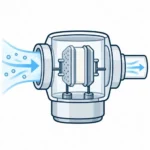
Sensor
Sensor quality and stability directly affect how accurately alcohol concentration is detected.
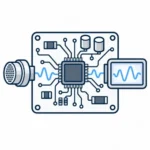
Electronics
Stable electronic components reduce signal noise and improve measurement consistency.
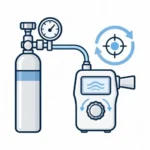
Calibration
Regular calibration keeps the device aligned with known reference standards.
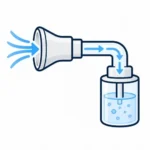
Sampling
Consistent breath flow, volume, and sampling time help ensure reliable measurements.
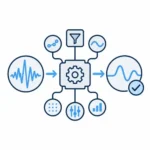
Algorithm
The algorithm converts sensor signals into readings and compensates for measurement variations.
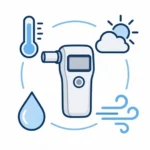
Environment
Temperature, humidity, and surrounding conditions can influence sensor performance and accuracy.
Alcohol concentration
BAC and BrAC Are Related — But Not the Same
A measure associated with alcohol concentration in blood.
BAC
Blood Alcohol Concentration
Breathalyzers analyze alcohol in exhaled breath, while different markets may display results using different conventions and units.
BAC
Blood Alcohol Concentration
Breathalyzers analyze alcohol in exhaled breath, while different markets may display results using different conventions and units.
From technology to product
Complete Breathalyzer Solutions
Airsense applies different sensor technologies, sampling methods, data functions and product configurations across multiple breathalyzer platforms.
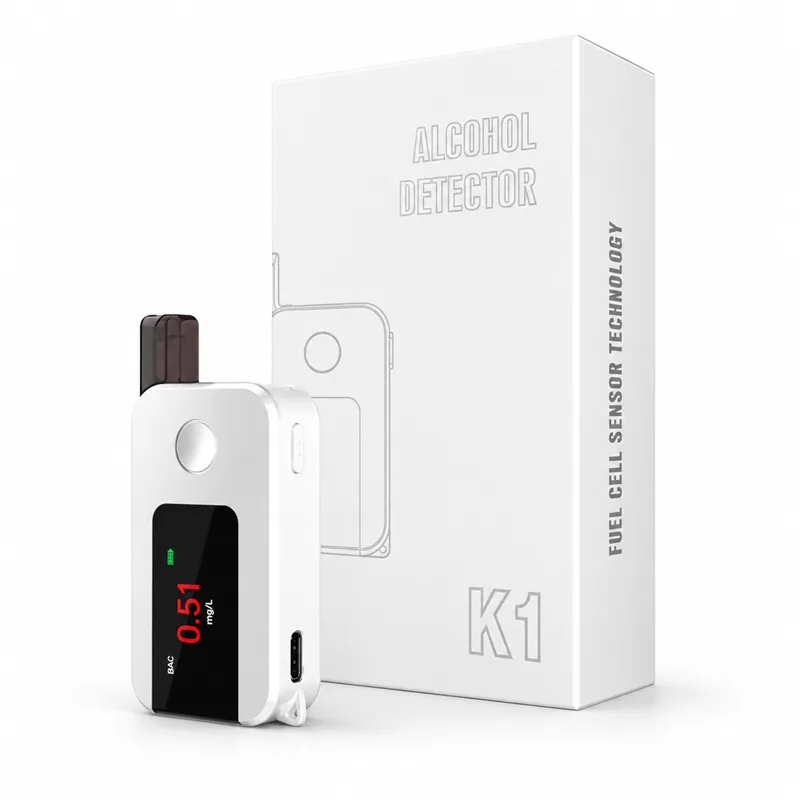
Compact Fuel Cell Breathalyzer
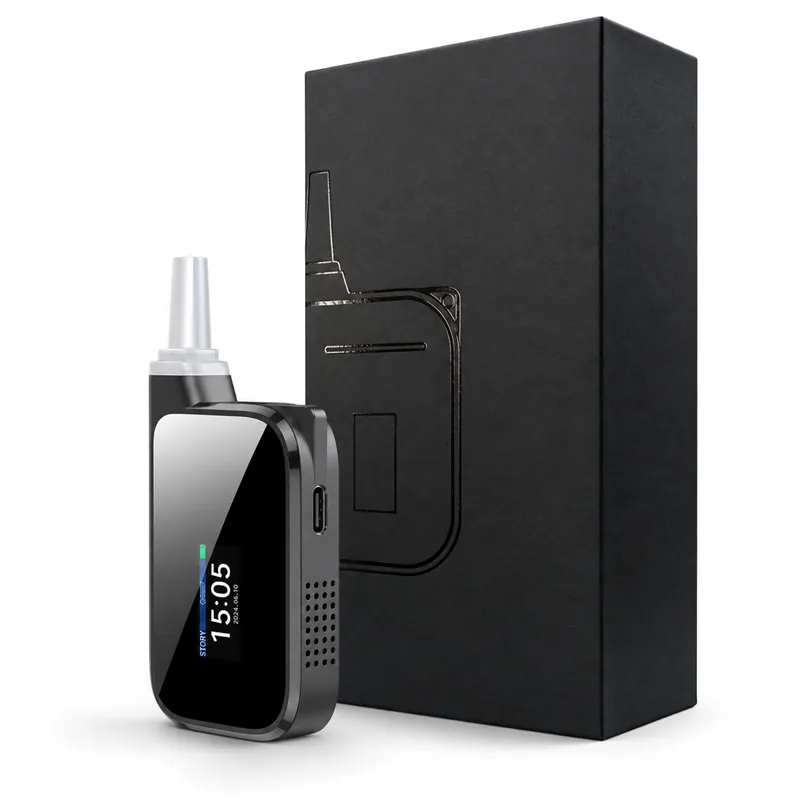
Fuel Cell Breathalyzer
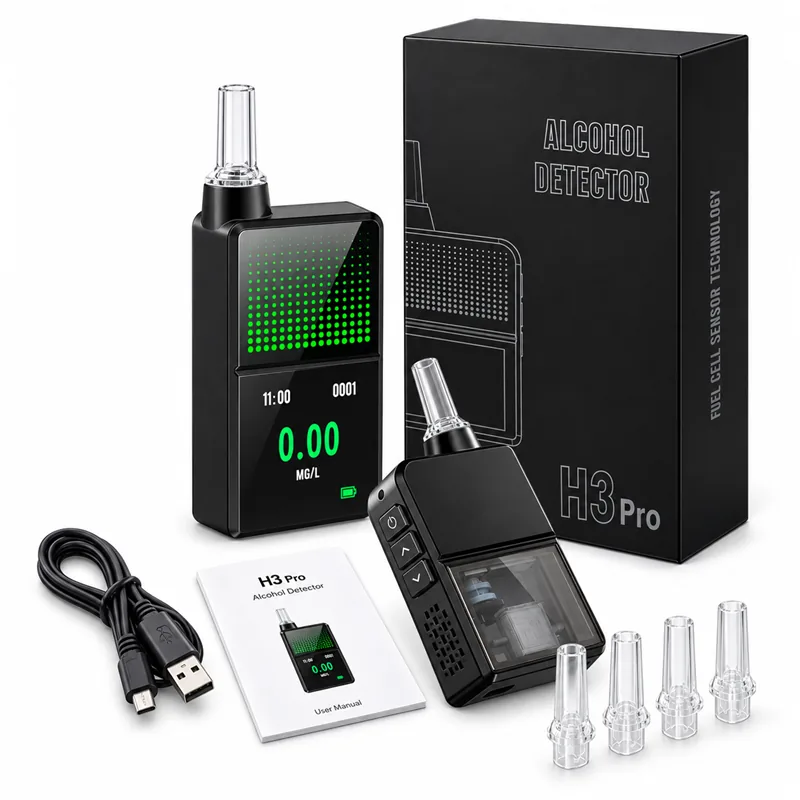
Pump-Sampling Fuel Cell Breathalyzer
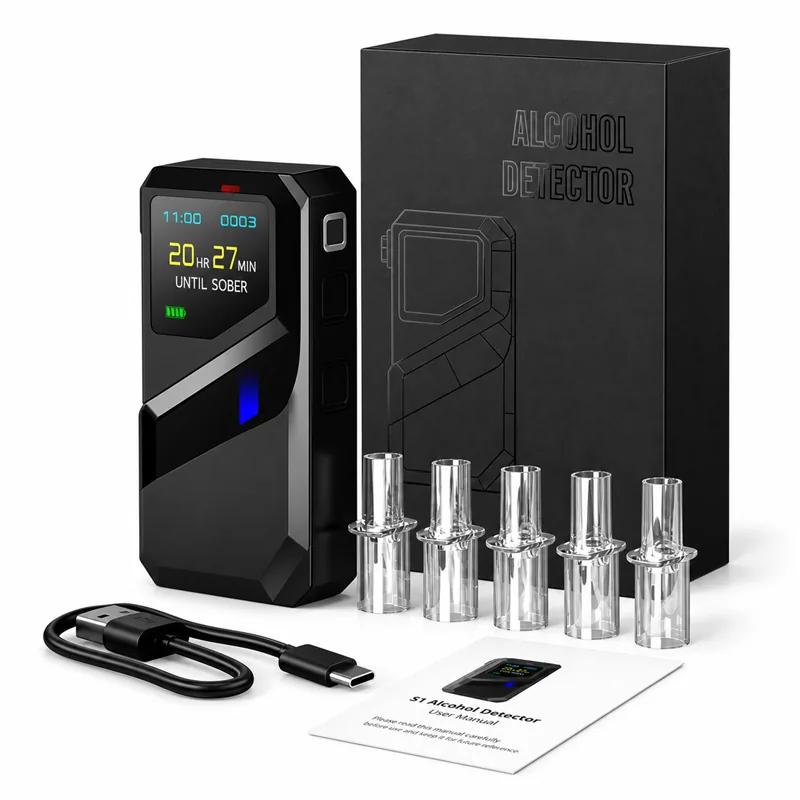
Professional Fuel Cell Breathalyzer
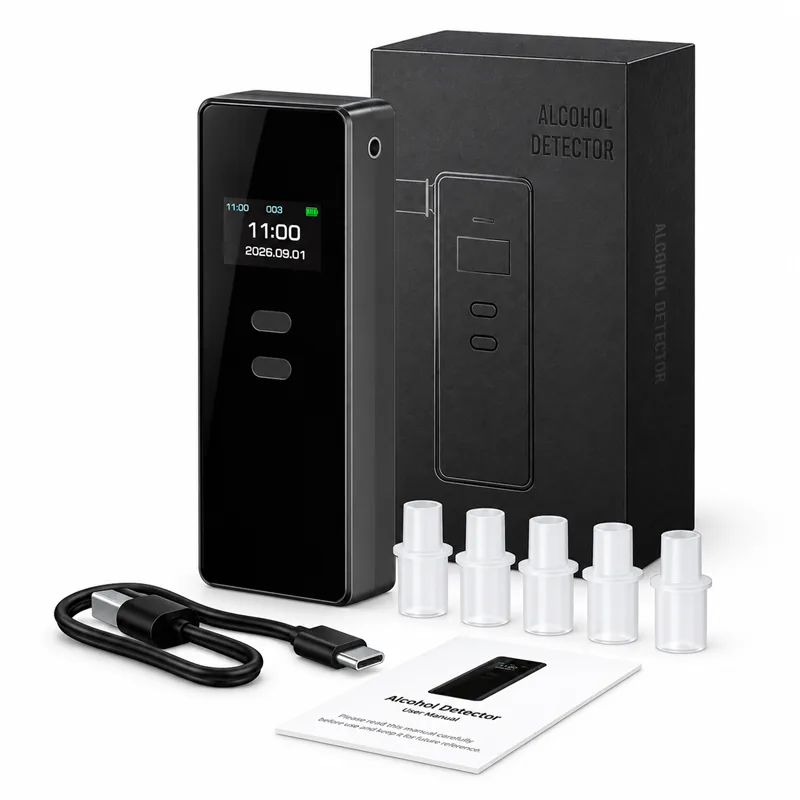
Semiconductor Breathalyzer
OEM / ODM engineering
Technology That Can Be Adapted to Your Product
Different markets and applications may require different sensor platforms, measurement units, firmware settings, data functions and product configurations.
ell us your application, testing frequency and measurement requirements. Airsense can help you select an appropriate breathalyzer platform and explain the relevant test and calibration approach.