
For Site Operators & Safety Equipment Suppliers
Industrial Alcohol Testing for Mining
Plan the equipment around the testing station, the people using it and the demands of the shift. Airsense helps buyers review devices for designated workplace testing areas and ongoing site use.
The Airsense Approach
Define the record before choosing the connection.A Bluetooth feature alone does not define the workflow. The required information, device and software need to be considered together.
The Site Routine
Plan Around Concentrated Testing Demand
01
Define the Station
Identify where testing will take place and who will operate the equipment.
02
Estimate Demand
Describe the shift pattern, expected number of tests and available testing window.
03
Review the Device
Evaluate sampling prompts, recovery between tests and the required result or record functions.
04
Arrange Upkeep
Plan charging, consumables, calibration and access to technical support.
Practical Selection
Look at the Complete Testing Cycle
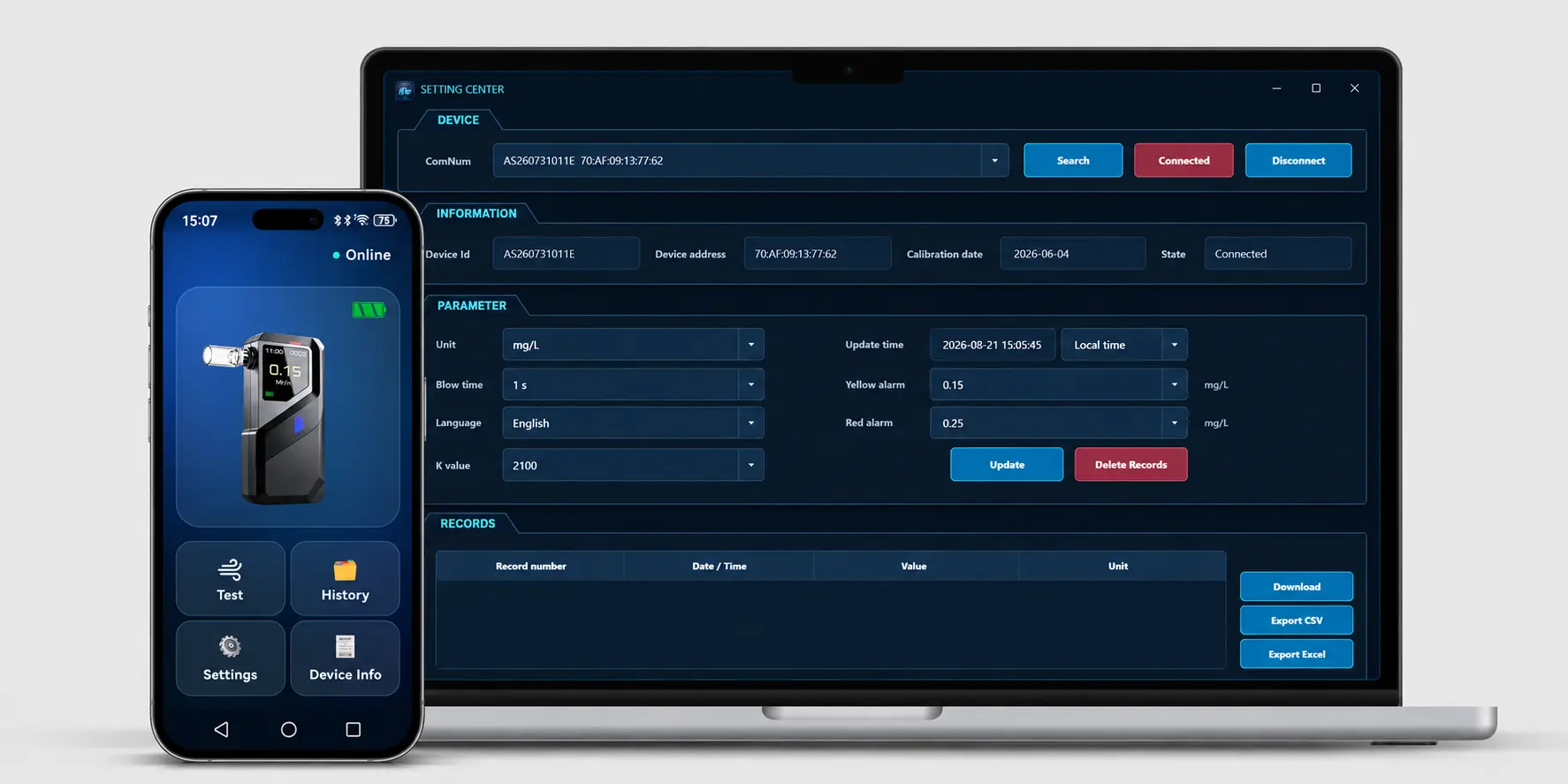
A short time to display a result is only part of the workflow. Preparing the next test, following sampling instructions and allowing the device to recover also matter.
Our engineering approach considers measurement performance alongside operation. A sample evaluation should reflect the pattern of use expected at your site.
Tell us about the testing location and environmental conditions so that the selected instrument can be checked against its published operating limits.
Models to Evaluate
Match the Platform to the Station
Compact Pump-Assisted Model
H3 Pro
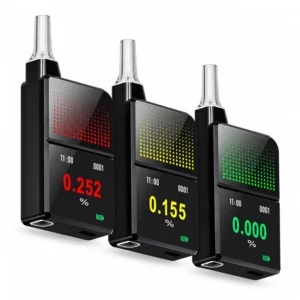
A rechargeable fuel-cell platform for evaluating operator-led testing where a compact device is preferred.
Record-Focused Platform
S1
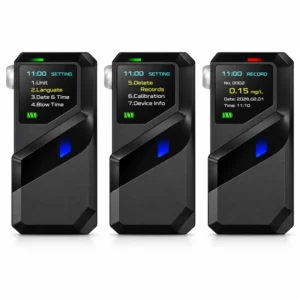
Pump-assisted sampling, color menus and 10,000-record storage, with PC export functions for projects needing record review.
Model selection depends on the application, configuration and destination market.
Ask us for the current specification and sample options.Hazardous-area suitability must be established for the exact device and location. No explosion-protection or ingress-protection rating is implied here.
Maintenance & Supplies
Keep the Support Route Practical
Mouthpieces & Accessories
Discuss consumable quantities and the accessories required for the chosen testing routine.
Charging & Device Care
Plan charging and storage around the shift pattern and the instrument's operating instructions.
Calibration & Components
Confirm the calibration route and model-specific service options. Replaceable sensor arrangements depend on the product and destination market.
Records & Related Applications
Connect the Page to Your Actual Need
FAQ
Frequently Asked Questions
Discuss Your Project
Describe Your Site and Testing Routine
Share the designated testing area, shift pattern, expected test volume and record needs. Include relevant environmental requirements and approximate device quantity.