
— Alcohol Concentration Guide
BAC vs BrAC
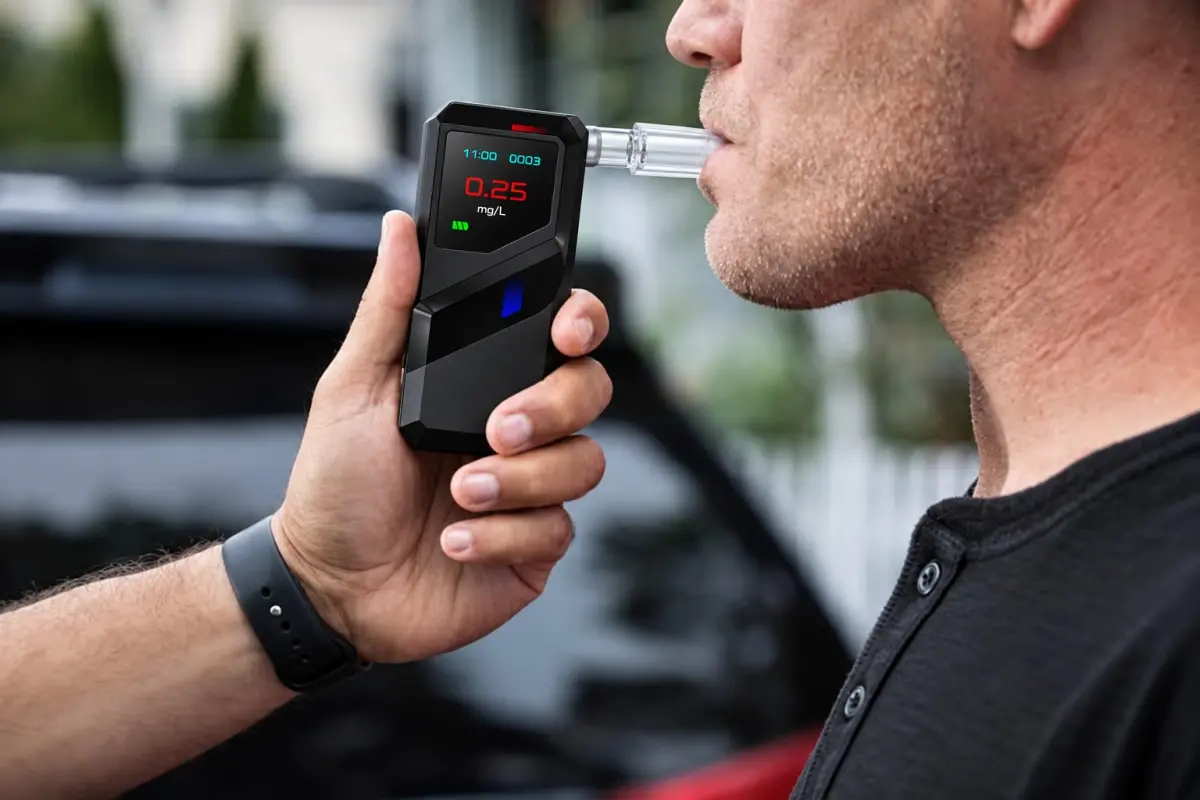
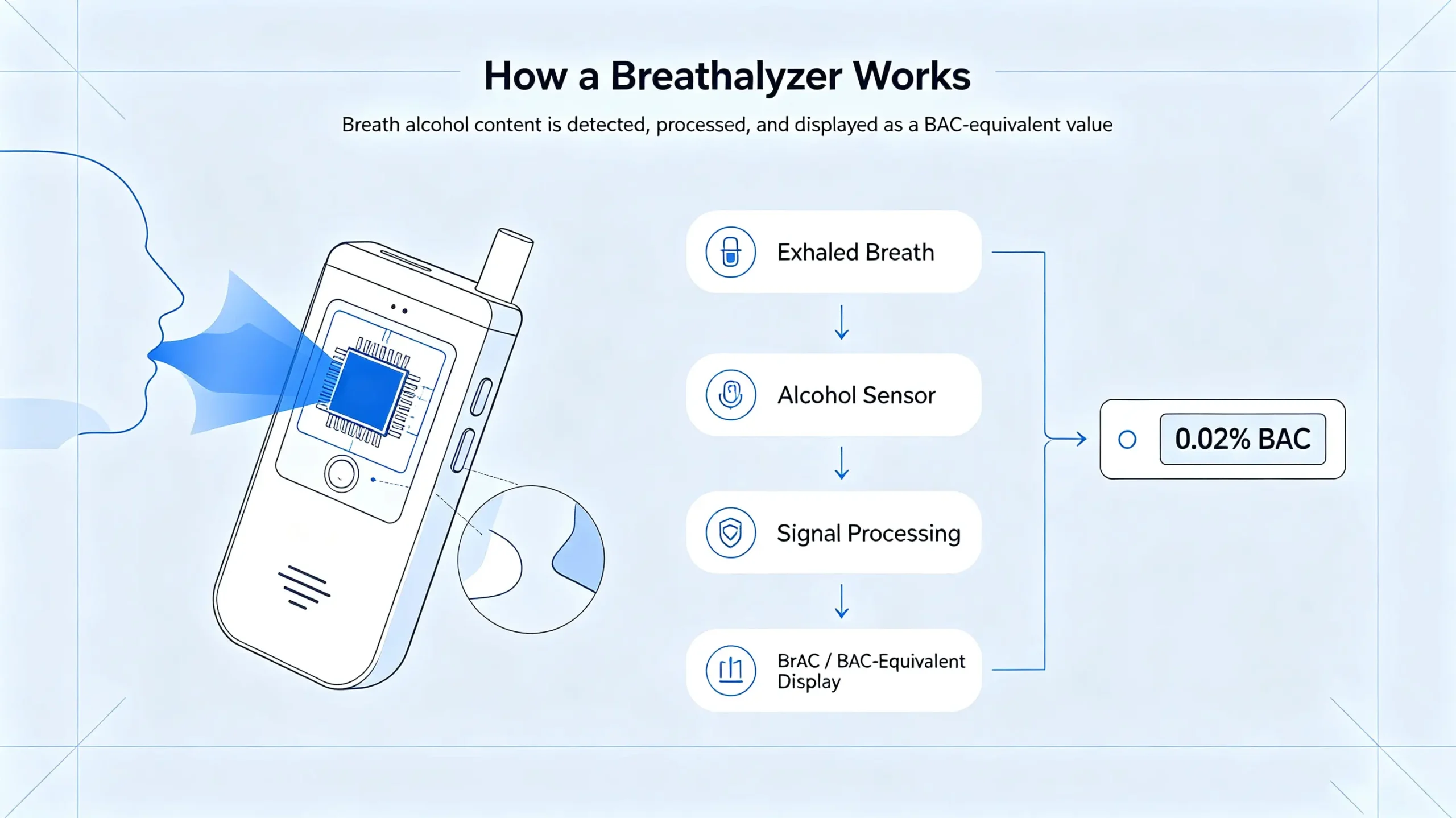
What Breathalyzers Actually Measure — and Why the Displayed Units Can Look DifferentBlood Alcohol Concentration (BAC) and Breath Alcohol Concentration (BrAC) are related concepts, but they are not the same physical measurement. A breathalyzer directly analyzes alcohol in exhaled breath.
Start with the definitions
BAC and BrAC Describe Different Things
They are linked by physiology and by the conversion conventions used in testing systems, but they should not be treated as identical measurements.
BAC
Blood Alcohol Concentration
BAC refers to the concentration of alcohol associated with blood. It is widely used in legal, medical and public-safety discussions, but a breathalyzer does not directly draw or analyze blood.
BRAC
Breath Alcohol Concentration
BrAC refers to the concentration of alcohol in exhaled breath. This is the quantity directly associated with the sample entering a breath alcohol tester.
The key point
What Does a Breathalyzer Directly Measure?
A breathalyzer directly analyzes alcohol in breath. BAC-style values shown on screen are derived display conventions, not a direct blood measurement.The instrument measures a breath sample, processes the sensor response, and then displays the result in the unit or convention configured for the target market.
Display units
Why Breathalyzer Readings Use Different Units
Alcohol concentration may be displayed in different formats depending on the country, regulation, product configuration and user preference.
01
mg/L
Breath Concentration
Commonly used to express alcohol concentration in breath.
02
g/L
Concentration Unit
Used in some markets and device configurations.
03
%BAC
BAC-Style Display
Often familiar to consumer users in markets that discuss alcohol limits as a percentage.
04
‰BAC
Per Mille Display
Used in a number of markets where blood alcohol is commonly expressed per mille.
05
mg/100mL
Blood-Style Unit
Another convention used for alcohol concentration display in certain regions.
The correct unit and conversion behavior should follow the intended market, applicable regulation and the specific device configuration.
Conversion concept
Why Breathalyzer Readings Use Different Units
Breath-to-blood conversion conventions are defined by product design, regulation and jurisdiction. They are useful for standardized reporting, but they should not be interpreted as a direct laboratory measurement of a person’s blood alcohol concentration.
Why readings may look different
Two devices may show different-looking numbers because they are using different units, even when they are describing the same underlying alcohol measurement context.
For buyers and OEM projects
Choose Units for the Target Market — Not by Preference Alone
For OEM and private-label projects, the displayed alcohol unit should match the intended market, user expectation and applicable compliance requirements.
Do not assume that a unit commonly used in one country is appropriate for another market.Airsense product platforms
Multiple Measurement Units Across Airsense Breathalyzers
Airsense product platforms support multiple selectable alcohol concentration units, allowing configurations to be adapted for different markets and applications.
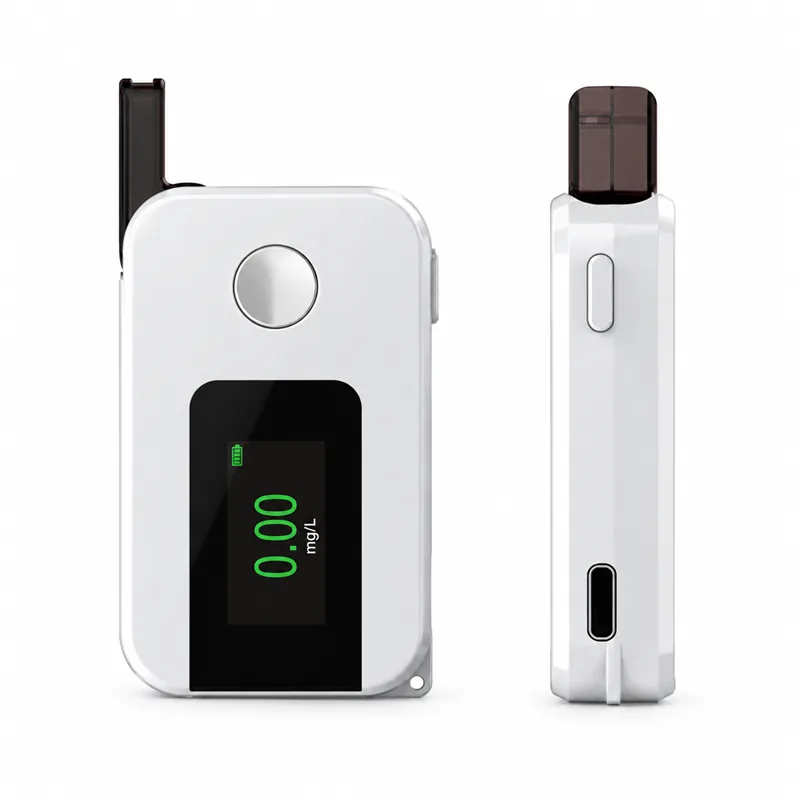
Compact Fuel Cell Breathalyzer
Multiple selectable BAC / BrAC-related units
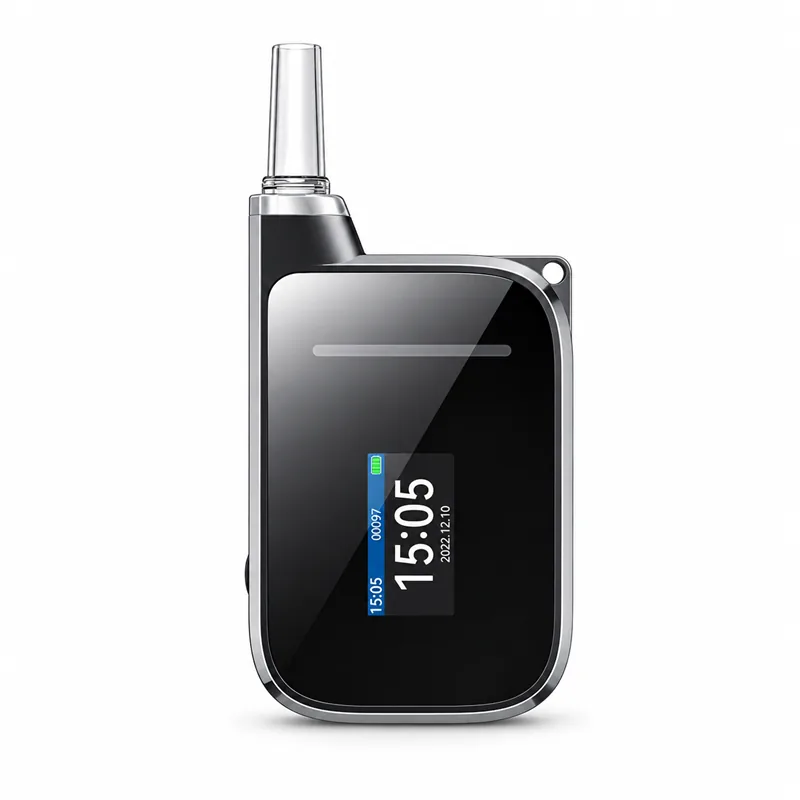
Fuel Cell Breathalyzer
Multiple selectable BAC / BrAC-related units
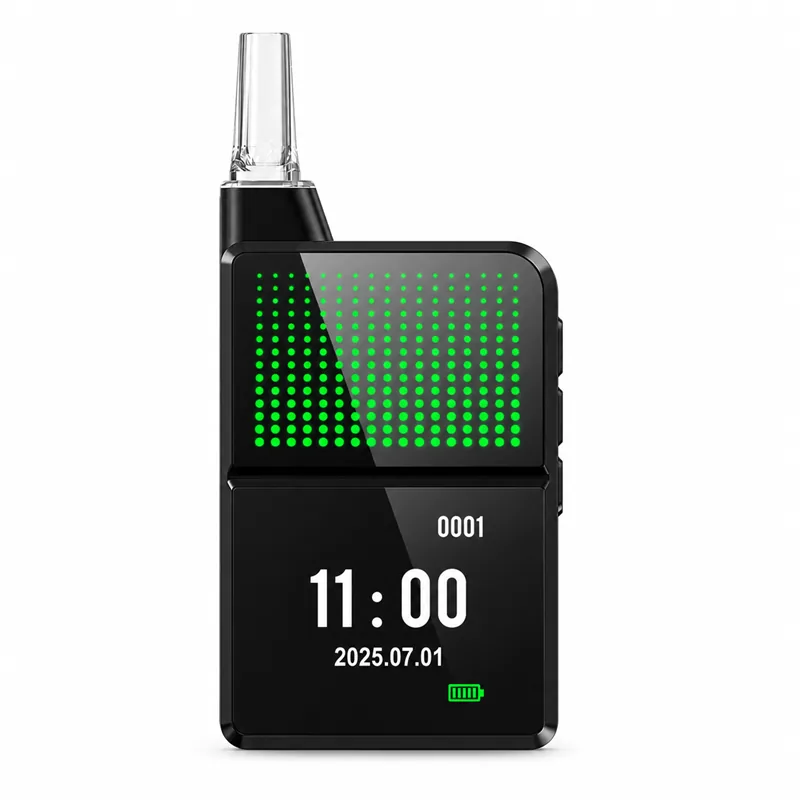
Pump-Sampling Fuel Cell Breathalyzer
Multiple selectable BAC / BrAC-related units
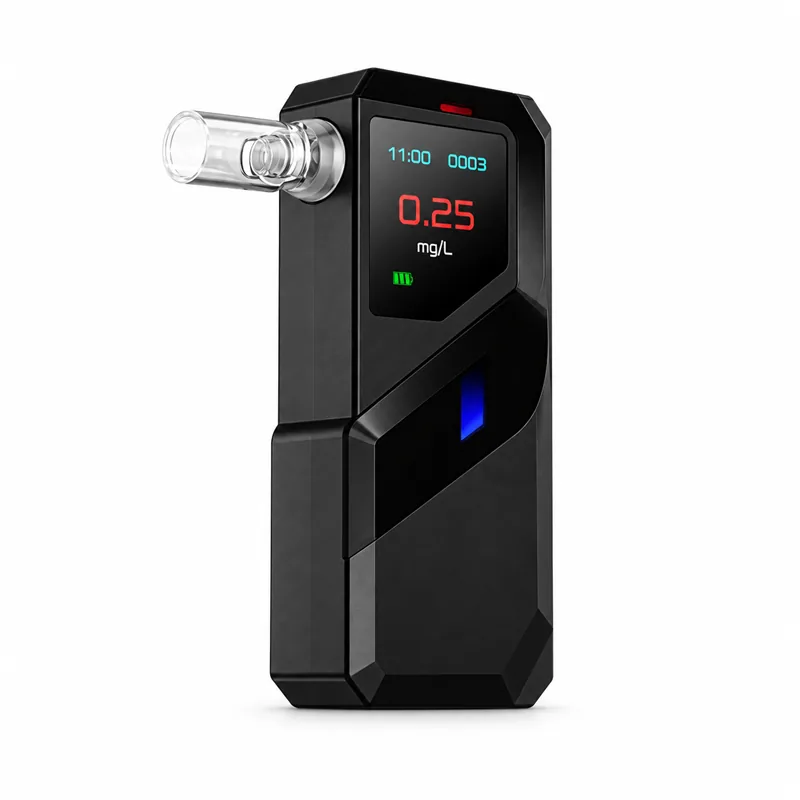
Professional Fuel Cell Breathalyzer
Multiple selectable BAC / BrAC-related units
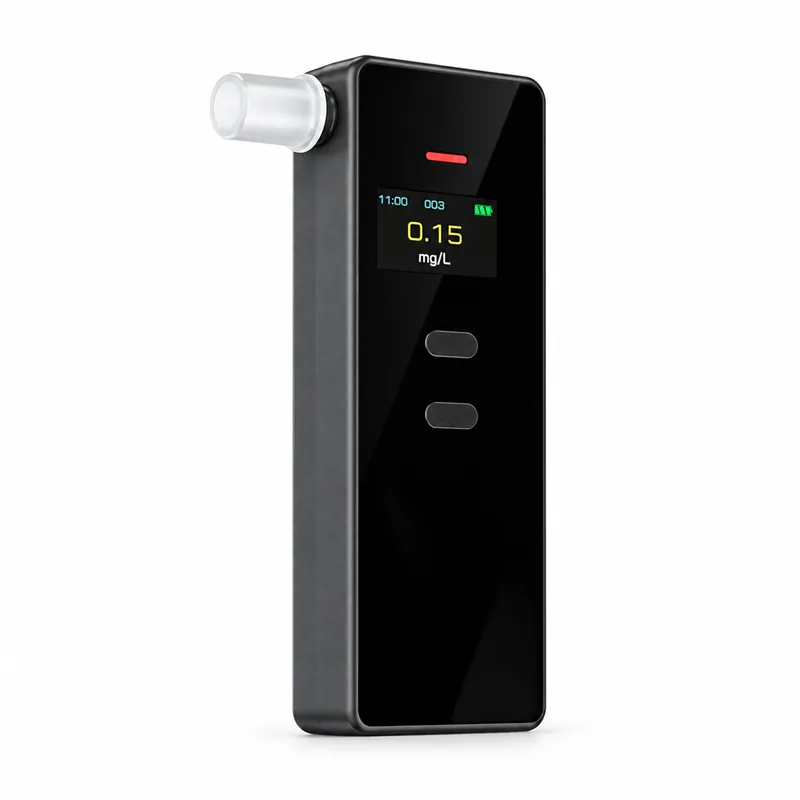
Semiconductor Breathalyzer
Multiple selectable BAC / BrAC-related units
Frequently asked questions
BAC vs BrAC FAQ
Common questions about breath alcohol measurement and display units.