
— Technology Comparison
Fuel Cell vs Semiconductor Breathalyzers
Which Alcohol Sensor Technology Is Right for Your Application?Fuel cell and semiconductor sensors can both detect alcohol in exhaled breath, but they use different sensing principles and offer different characteristics in selectivity, warm-up behavior, repeatability, stability, cost and intended application.
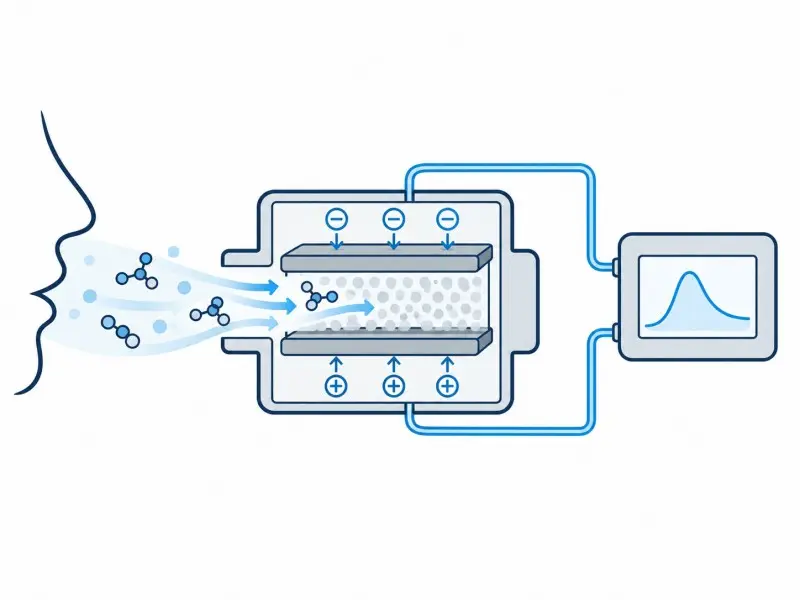
Fuel Cell
ELECTROCHEMICAL
Alcohol is oxidized at the sensing surface, generating a measurable electrical current.
Ethanol → Electrochemical Reaction → Electrical Current
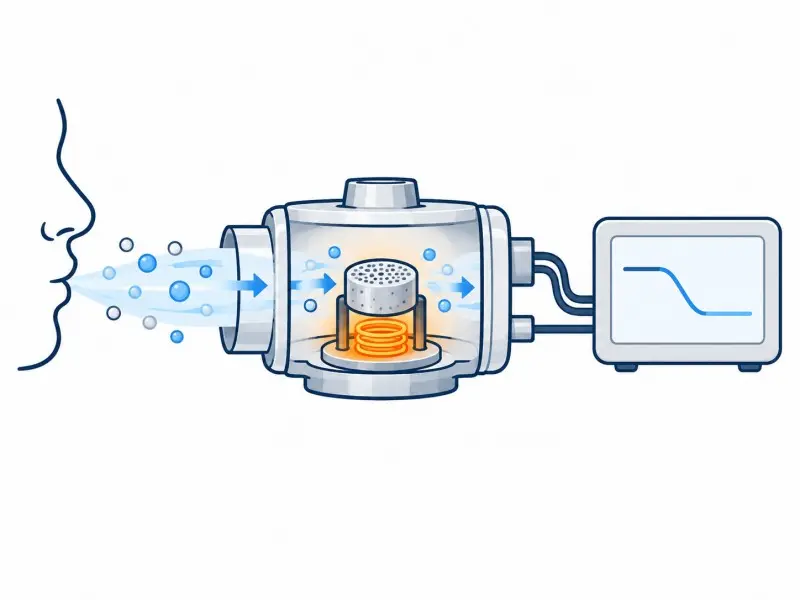
Semiconductor
RESISTANCE-BASED
Alcohol affects the electrical characteristics of a heated sensing material.
Alcohol / VOCs → Heated Material → Resistance Change
Measurement principles
Two Sensor Technologies, Two Different Measurement Principles
Both technologies can be used to detect alcohol, but the way each sensor converts exposure to alcohol into an electrical signal is fundamentally different.
Electrochemical Measurement
Fuel Cell Sensor
A fuel cell alcohol sensor uses an electrochemical reaction to detect ethanol. When alcohol molecules reach the catalytic sensing surface, they are oxidized and generate a small electrical current related to the alcohol level in the breath sample.
Resistance-Based Measurement
Semiconductor Sensor
A semiconductor alcohol sensor uses a heated sensing material whose electrical characteristics change when exposed to alcohol and other reactive gases. The instrument measures this change and processes it into an estimated alcohol concentration.
Side-by-side comparison
Fuel Cell vs Semiconductor: Key Differences
The right sensor depends on the intended use. Fuel cell sensors are generally preferred when selectivity, repeatability and professional positioning matter more than lowest cost.
Why selectivity matters
Not Every Compound in Breath Is Alcohol
Exhaled breath and the surrounding environment may contain substances other than ethanol. Sensor selectivity helps reduce the chance that non-alcohol compounds influence the measurement.
Fuel Cell Selectivity
Fuel cell alcohol sensors are designed to be highly responsive to ethanol and are generally less susceptible to many common interfering compounds than typical semiconductor sensors.
Semiconductor Response
Semiconductor sensing materials may respond to a broader range of reactive gases and vapors, which is one reason they are more commonly used in cost-sensitive consumer products.
Note: The bars above are illustrative visualizations only and do not represent measured Airsense laboratory data. No alcohol sensor should be described as completely immune to all possible interfering substances.
Warm-up and readiness
How Quickly Is the Device Ready to Test?
Fuel cell and semiconductor systems differ in how the sensing element reaches operating condition. Airsense product examples make this difference easy to see.
Fuel Cell Platforms
Fuel cell sensing systems do not rely on maintaining a heated semiconductor surface, so many designs can begin testing with little or no conventional warm-up.
Semiconductor Platform
Reference: 0.050
For A5, the provided product specification indicates a longer warm-up may be required after extended periods without use.
Warm-up and readiness
How Quickly Is the Device Ready to Test?
Fuel cell does not automatically mean accurate. Semiconductor does not automatically mean inaccurate.
Sensor technology establishes the foundation of the measurement system, but the performance of a complete breathalyzer depends on how the whole instrument is designed, calibrated and maintained.
Cost and product positioning
Why Fuel Cell Breathalyzers Usually Cost More
Cost differences come from the sensing technology itself, materials, manufacturing requirements and the type of product the sensor is designed to support.
Higher Upfront Cost
Fuel Cell Platform
Fuel cell sensors generally use more complex electrochemical structures, catalytic materials and tighter production requirements.
Lower Upfront Cost
Semiconductor Platform
Semiconductor sensors offer a cost-effective path for consumer-oriented products and applications where basic alcohol screening is sufficient.
Selection guide
Which Sensor Technology Should You Choose?
The best choice depends on application, testing frequency, target price and the level of measurement confidence required.
Choose Fuel Cell If...
Choose Semiconductor If...
Airsense sensor platforms
From Sensor Technology to Real Products
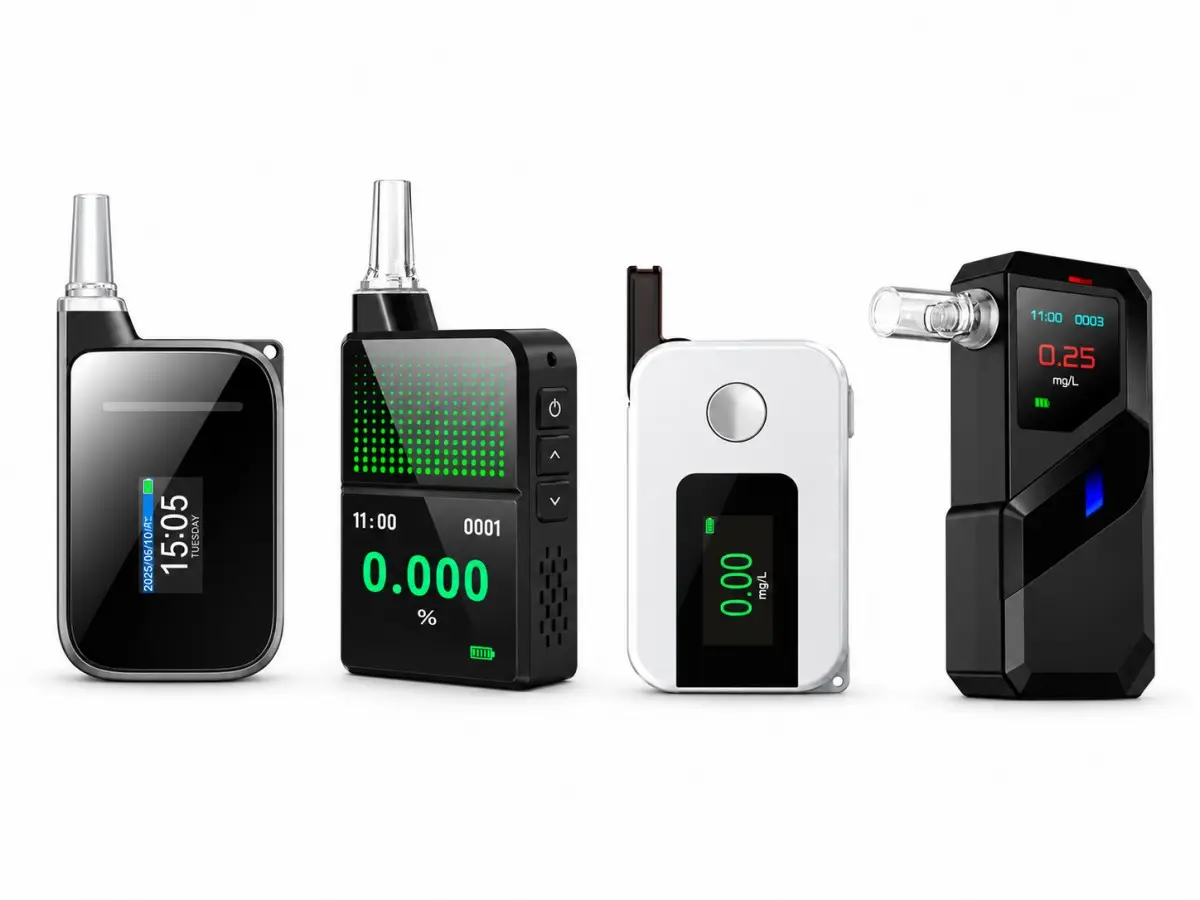
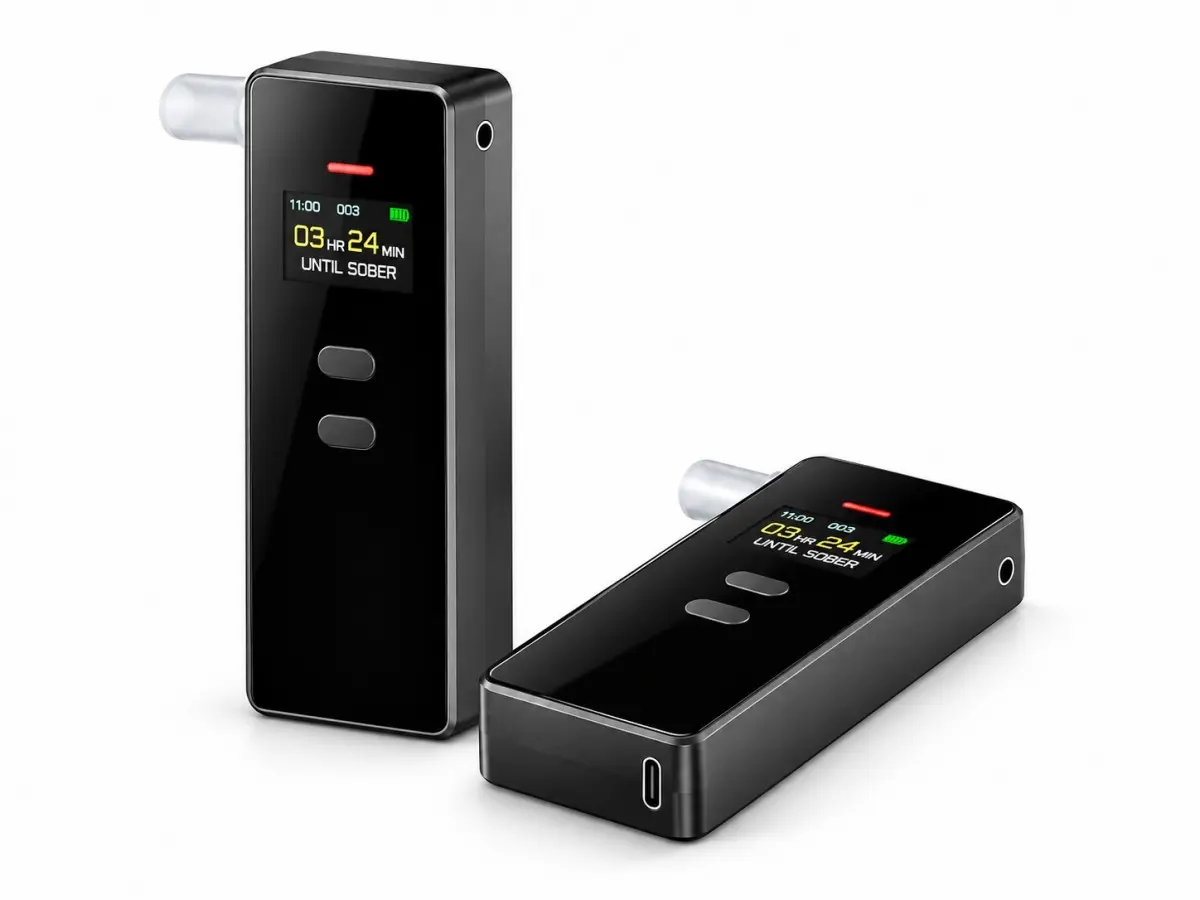
Airsense uses different sensing and sampling architectures across its product range, allowing customers to choose between compact, professional and cost-sensitive platforms.
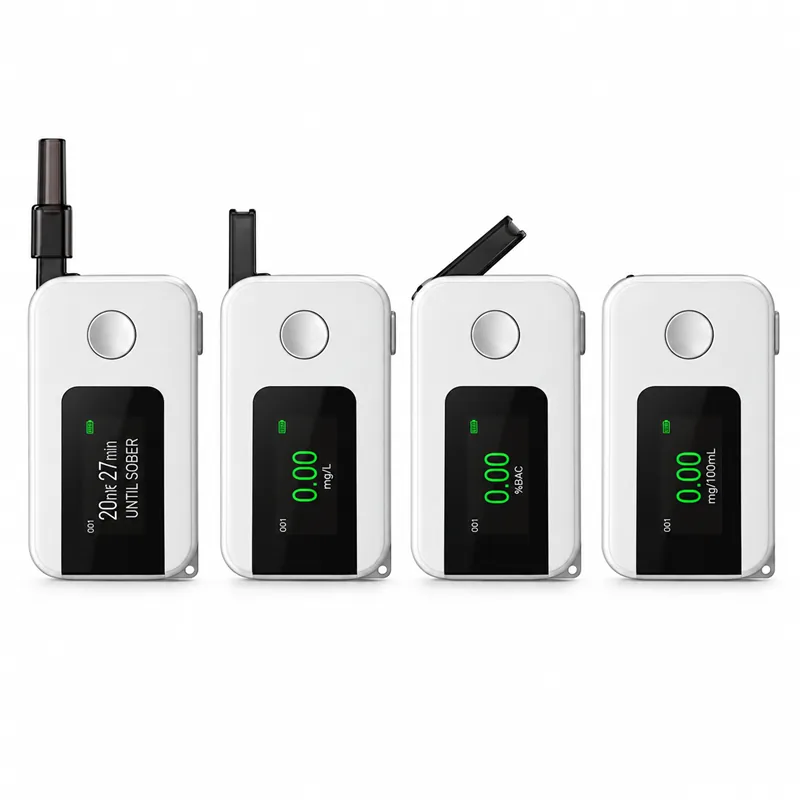
Compact Fuel Cell Breathalyzer
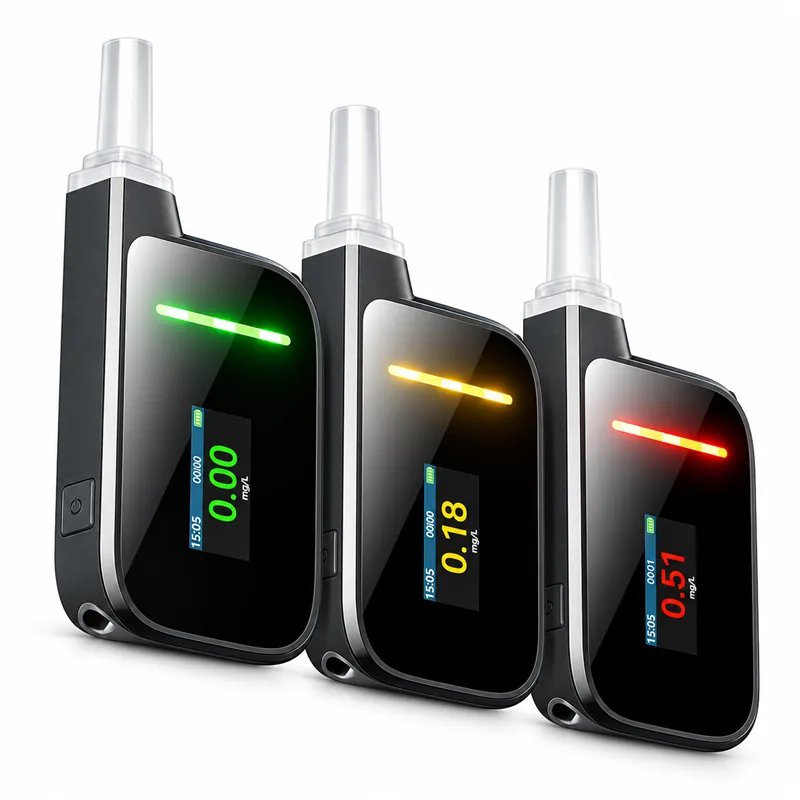
Fuel Cell Breathalyzer
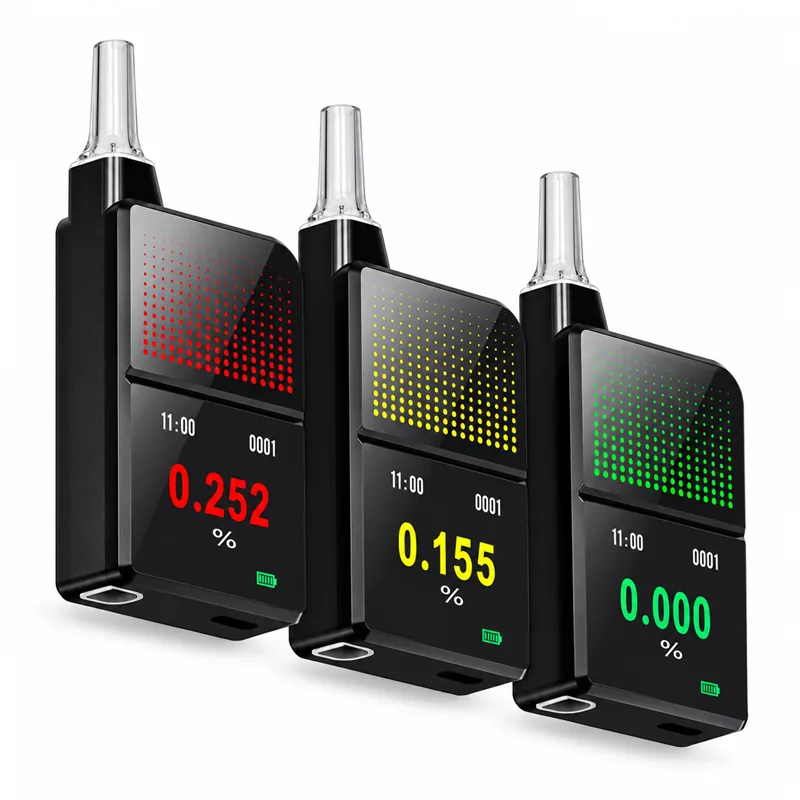
Pump-Sampling Fuel Cell Breathalyzer
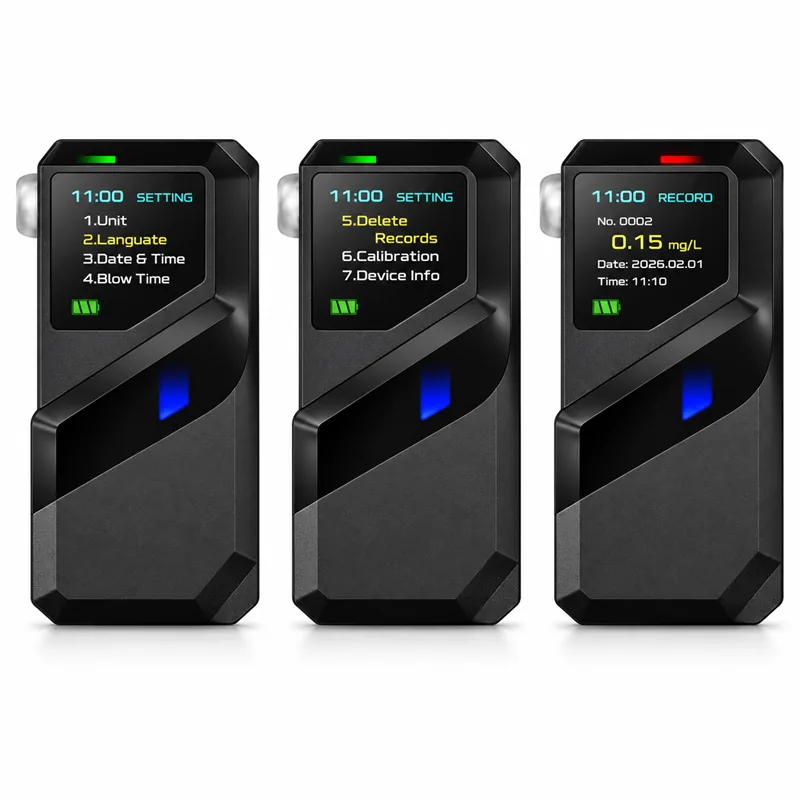
Professional Fuel Cell Breathalyzer
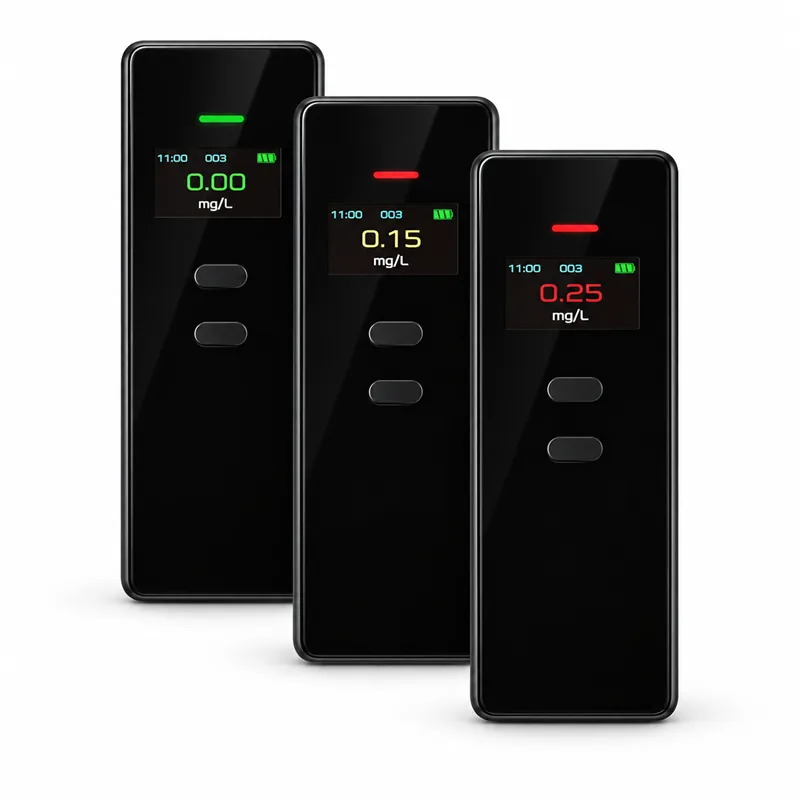
Semiconductor Breathalyzer
OEM / ODM selection
Choosing a Sensor Platform for Your OEM Breathalyzer
Sensor selection should be based on the intended user, testing frequency, target price, measurement requirements and market positioning—not simply on which sensor is more expensive.
Airsense can help evaluate the right platform for consumer, workplace, fleet and professional alcohol-testing projects.
Frequently asked questions
Fuel Cell vs Semiconductor FAQ
Common questions buyers ask when comparing breathalyzer sensor technologies.