
— Breath Sampling Guide
Breathalyzer Testing Methods
How Breath Samples Are Collected — and Why the Sampling Method MattersBreath alcohol testing can use different sampling approaches depending on the application. Direct mouthpiece testing, pump-assisted sampling and passive screening do not provide the same level of control or the same type of result.
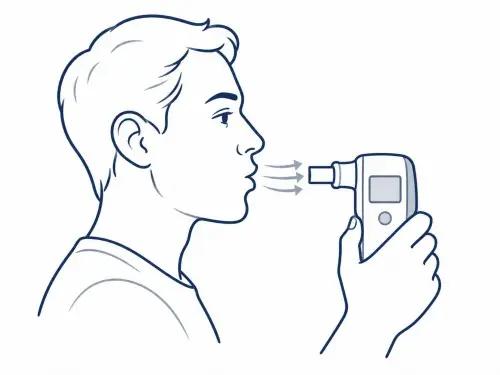
Direct Blow
User exhales directly into the sampling path.
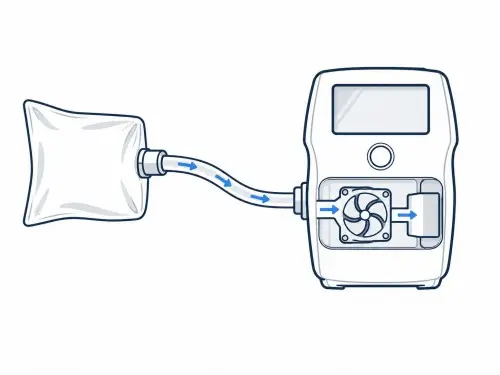
Pump Sampling
An internal pump helps control sample collection.
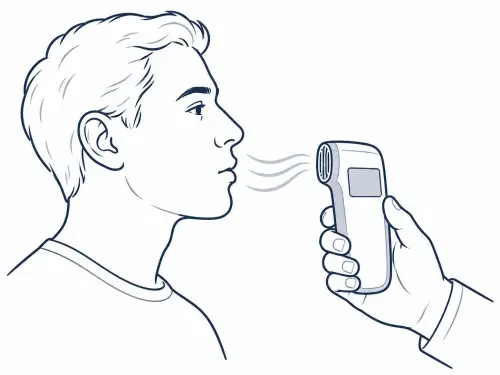
Passive Screening
Rapid screening without a conventional mouthpiece.
What this page means by “testing methods”
Sampling Method Is Part of Measurement Quality
This page focuses on how the breath sample reaches the alcohol sensor. Calibration methods such as dry gas and wet bath are a separate topic.
Method 1
Direct Mouthpiece Testing
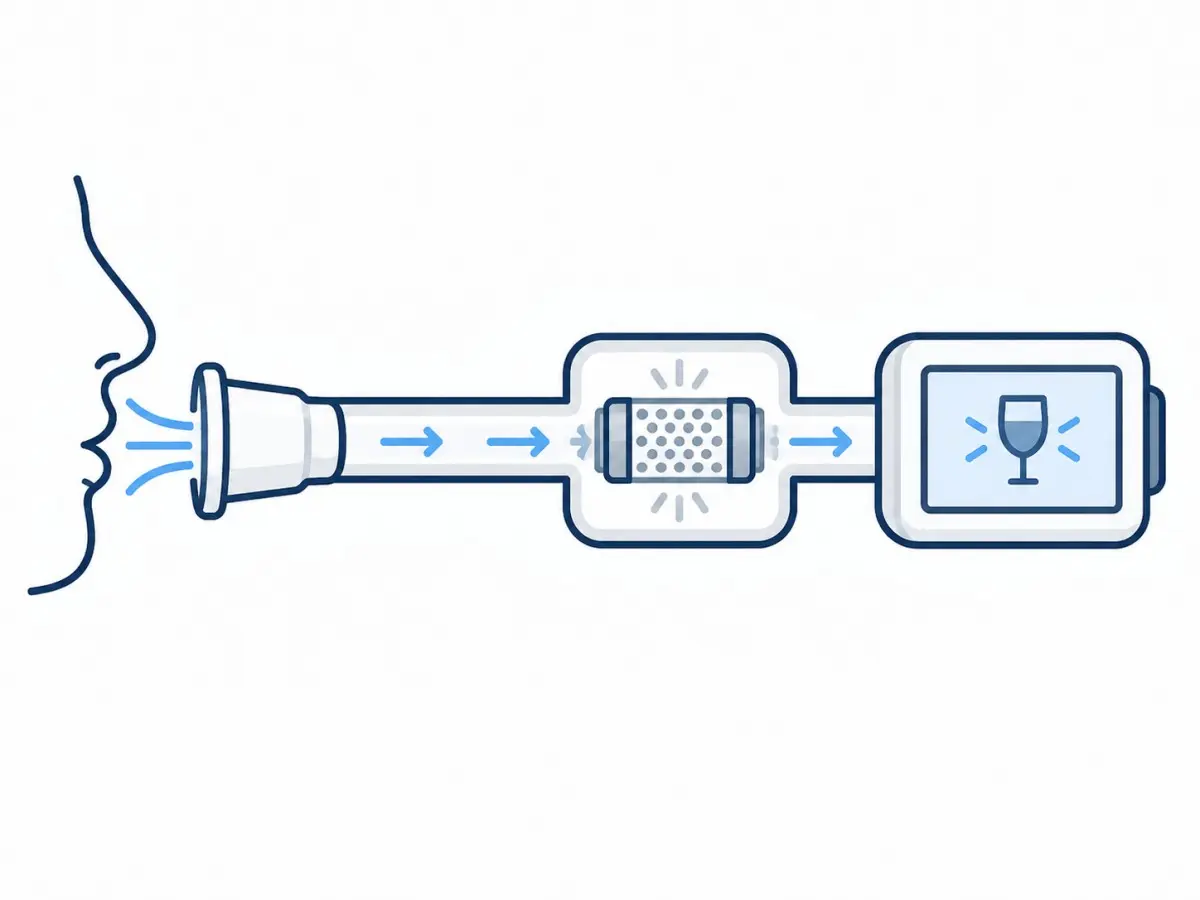
The user exhales directly through a mouthpiece or inlet so the breath sample flows into the sensing system.
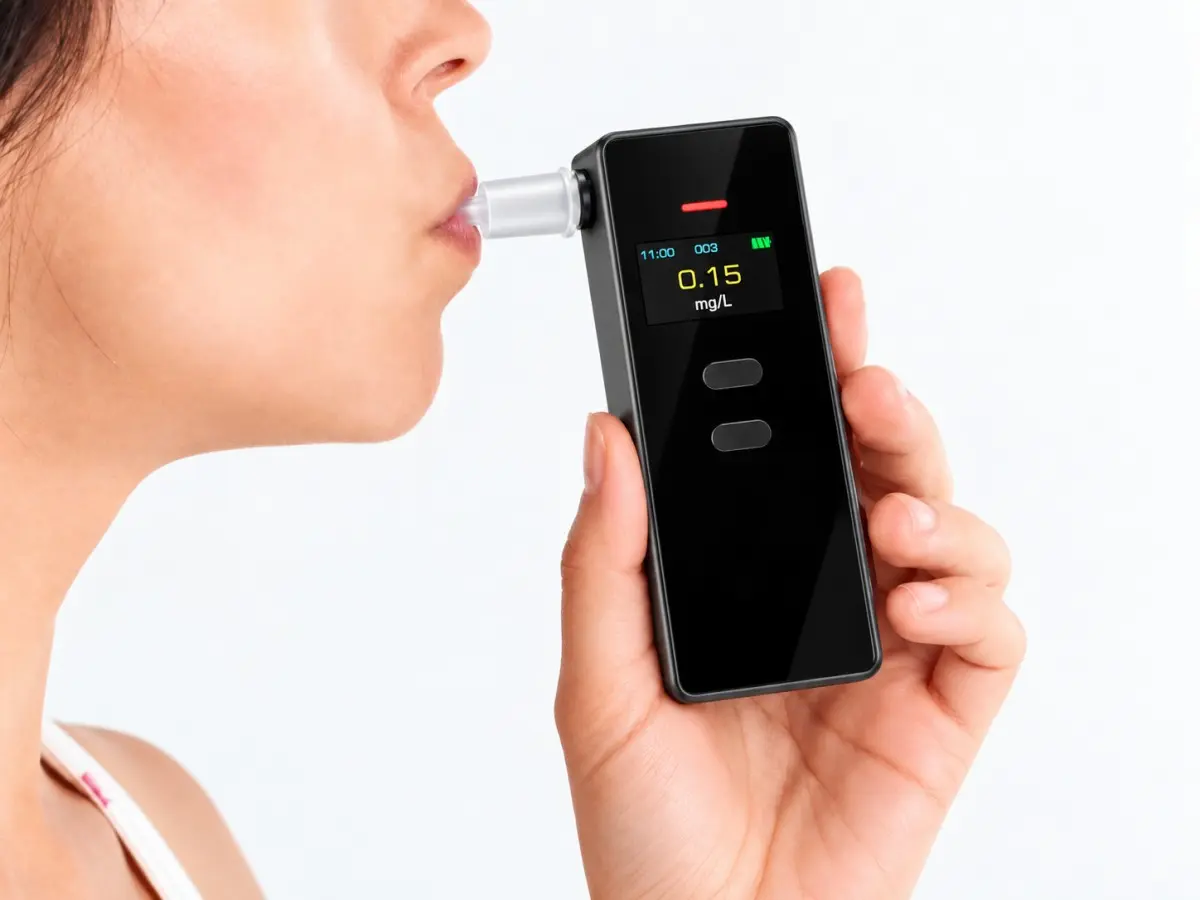
How It Works
The user provides a continuous breath sample directly to the device. The instrument monitors the sample and sends the appropriate portion to the alcohol sensor.
What Affects the Result?
Breath flow, sample volume, mouthpiece installation and residual mouth alcohol can all influence the quality of the sample delivered to the sensor.
Method 2
Pump-Assisted Breath Sampling
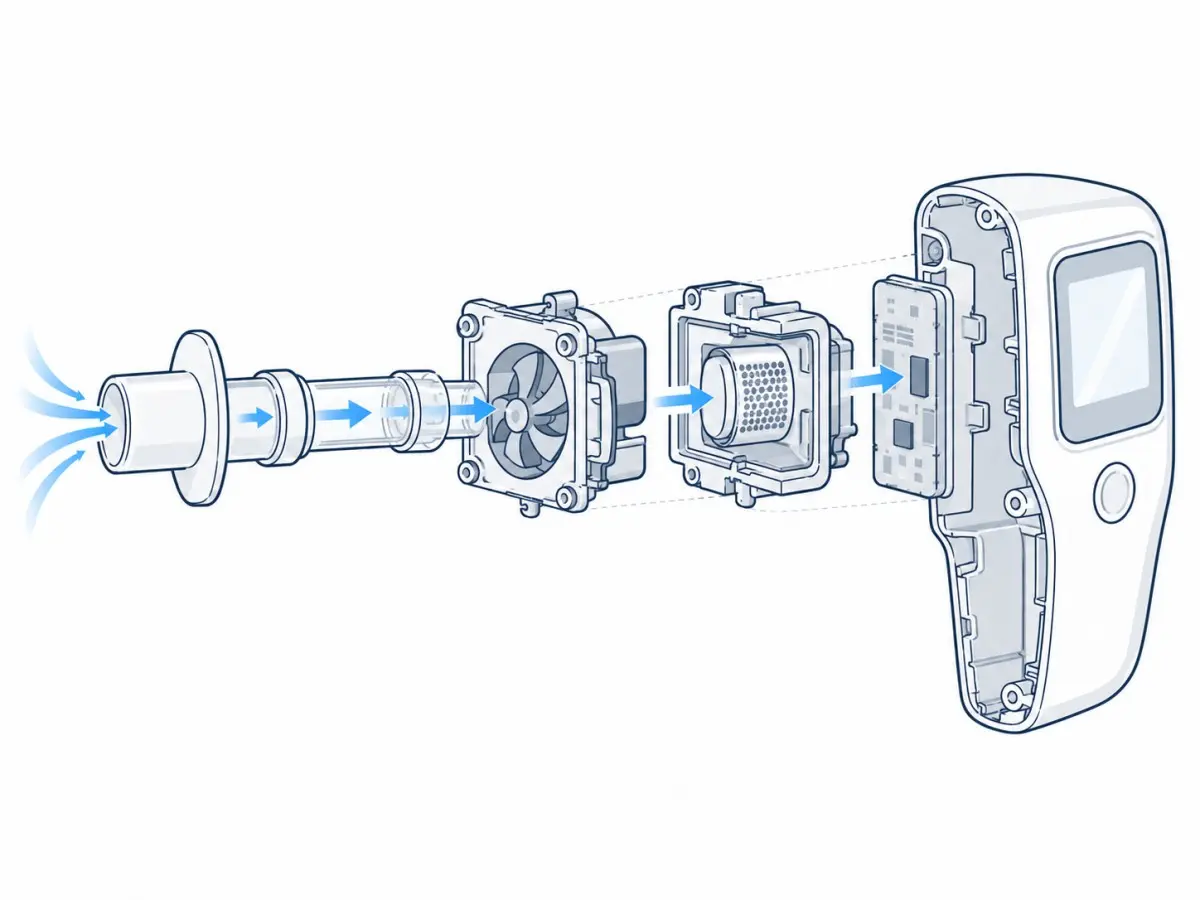
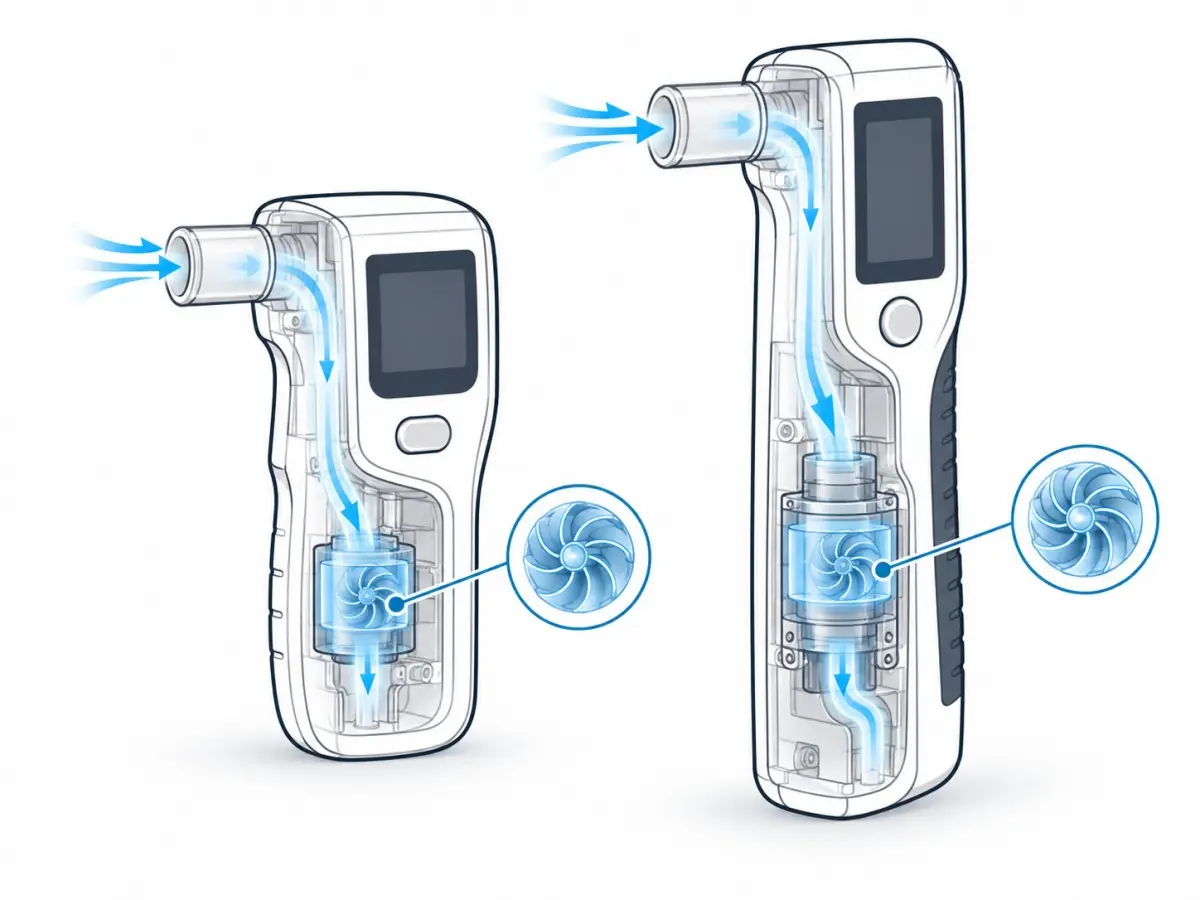
Professional breathalyzers may use an internal pump to draw or control the breath sample delivered to the sensor.
Why Use a Pump?
A pump can help manage sampling timing and airflow so the breath sample reaches the sensor in a more controlled way.
Airsense Product Examples
The Airsense H3 Pro and S1 are specified with pump-assisted sampling architectures.
Method 3
Passive / Non-Contact Screening
Some breath alcohol screening systems can sample air near a subject without requiring a conventional mouthpiece test.
Industry Screening Method
Fast Presence / Absence Screening
Passive screening is useful when the goal is to quickly identify whether alcohol may be present before deciding whether a more controlled quantitative test is needed.
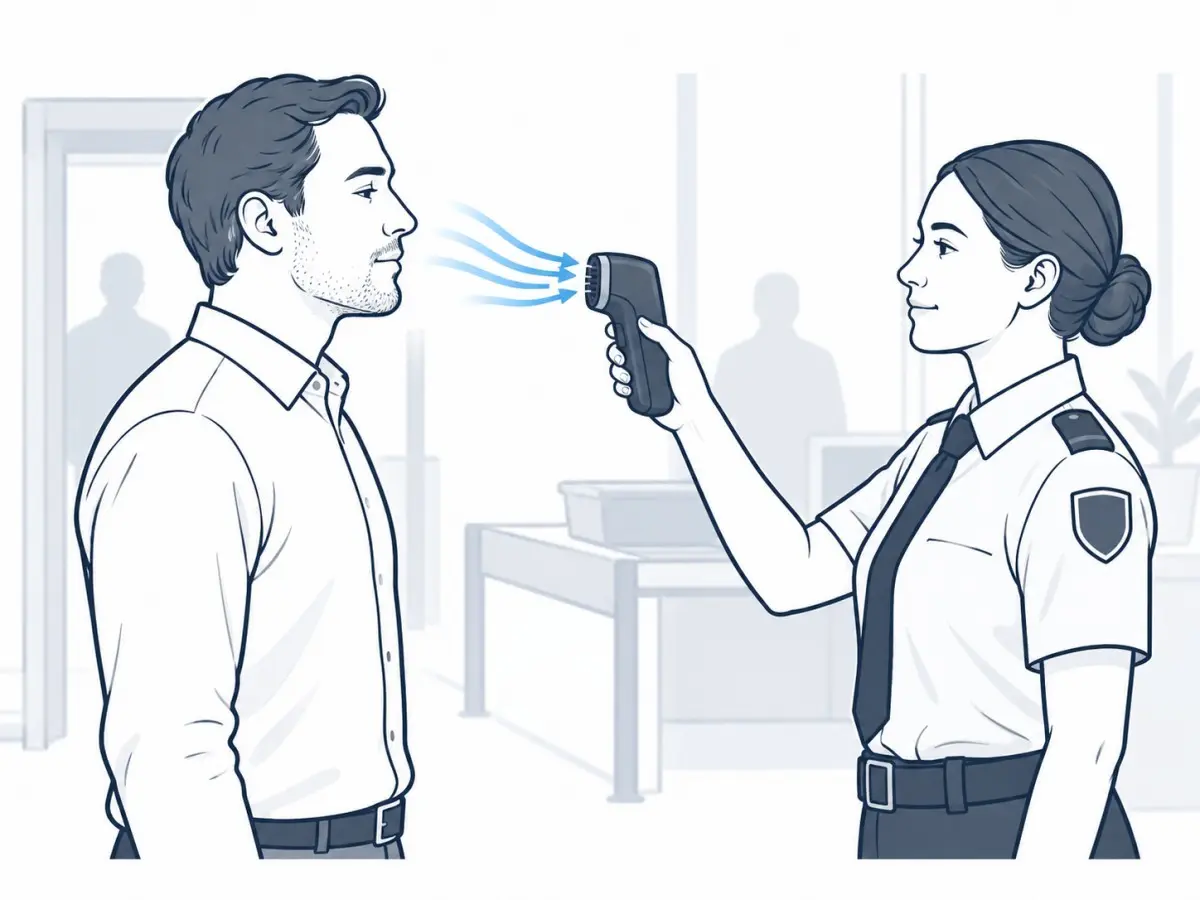
This is an industry method overview. Product support should only be claimed for Airsense models that are specifically designed for passive screening.
Side-by-side comparison
Direct Blow vs Pump Sampling vs Passive Screening
Each method serves a different purpose. The most appropriate architecture depends on how the device will be used.
Practical procedure
A Good Breath Test Is More Than “Blow and Read”
Consistent testing requires the user, device and sampling process to follow a defined procedure.
STEP 01
Prepare Device
Confirm power, calibration status and correct accessories.
STEP 02
Prepare Subject
Follow the applicable pre-test procedure and avoid immediate post-drinking testing.
STEP 03
Collect Sample
Use the correct blowing or sampling method for the model.
STEP 04
Analyze
Allow the sensor and electronics to complete the measurement cycle.
STEP 05
Record Result
Document the result when required by the testing program.
STEP 05
Allow Recovery
Follow the recommended interval before repeating the test.
Why procedure matters
Sampling Errors Can Look Like Sensor Errors
A breathalyzer may contain a high-quality sensor, but poor sampling conditions can still produce inconsistent or misleading results. Sampling, calibration, timing and user procedure all work together.
Screening vs measurement
Screening Tests and Quantitative Tests Serve Different Purposes
A rapid screening method can be useful operationally, but it should not automatically be treated as equivalent to a controlled quantitative breath test.
SCREENING
Is Alcohol Likely Present?
Screening is designed for speed and operational convenience. It may help determine whether a more controlled quantitative test should follow.
QUANTITATIVE TESTING
What Is the Measured Alcohol Concentration?
A quantitative test uses a more controlled sample and calibrated measurement system to produce a numerical result in the configured alcohol unit.
Common field mistakes
Testing Mistakes That Can Distort the Result
Many apparent measurement problems are caused by test procedure rather than by the alcohol sensor itself.
Choosing the right method
Match the Testing Method to the Application
The sampling architecture should fit the testing environment, testing frequency and level of measurement control required.
Personal Testing
Simple, compact and easy-to-use direct breath testing is often appropriate.
Priority: convenience and portability
Workplace Screening
Repeated testing benefits from controlled procedures and stronger sampling consistency.
Priority: repeatability and workflow
Fleet / Transportation
Professional programs may require reliable repeated testing, data handling and serviceability.
Priority: controlled sampling and records
Rapid Checkpoints
Preliminary screening may favor speed and low-contact approaches, followed by quantitative testing.
Priority: speed and throughput
Airsense product architecture
Where Airsense Products Fit
Airsense uses different sensing and sampling architectures across its product range. Pump-assisted sampling is specifically listed for H3 Pro and S1.
Frequently asked questions
Testing Methods FAQ
Common questions about breath sampling and field testing procedure.